

Examples of superfoods for seniors: 10 top picks
TL;DR:
- As adults age, it becomes increasingly challenging to obtain sufficient nutrients from food due to decreased appetite and absorption needs. Nutrient-dense superfoods like berries, leafy greens, fatty fish, and legumes support seniors’ health by providing essential vitamins, minerals, protein, and antioxidants in manageable portions. Incorporating soft, prepared, and varied superfoods into daily routines enhances nutrient intake, promotes healthy aging, and adapts to individual preferences and physical abilities.
Getting enough of the right nutrients becomes harder with age. Appetite often decreases after 75, yet the body’s requirements for protein, calcium, vitamin D, vitamin B12, and fibre remain high or increase. This is precisely where nutrient-dense foods, commonly referred to as superfoods, earn their place. The term “superfood” is not a clinical classification but a widely used shorthand for foods that deliver an exceptional concentration of beneficial nutrients relative to their calorie content. This article presents practical examples of superfoods for seniors, explains why each one matters, and offers straightforward guidance on fitting them into daily eating.
Table of Contents
- Key takeaways
- 1. What makes a food a superfood for seniors
- 2. Berries: small fruits with significant benefits
- 3. Leafy green vegetables for bone and brain health
- 4. Fatty fish for heart and cognitive support
- 5. Nuts and seeds for protein and healthy fats
- 6. Legumes: affordable plant protein
- 7. Whole grains for steady energy and digestion
- 8. Greek yogurt and eggs: high-protein everyday superfoods
- 9. Comparing and selecting the right superfoods for your situation
- My perspective on superfoods and senior nutrition
- Supporting healthy ageing with Vivetus
- FAQ
Key takeaways
| Point | Details |
|---|---|
| Nutrient density over volume | Seniors need more nutrients from fewer calories, making high-density foods the priority. |
| Texture and preparation matter | Softened or blended superfoods help those with chewing or swallowing difficulties maintain good intake. |
| Berries and greens lead on antioxidants | These foods reduce oxidative stress linked to cognitive decline and inflammation in older adults. |
| Fatty fish is the best omega-3 source | EPA and DHA from fish are far more usable by the body than plant-based ALA sources. |
| Balance beats single foods | A varied pattern of superfoods supports protein adequacy and overall diet quality more than any one food alone. |
1. What makes a food a superfood for seniors
Before listing specific foods, it helps to understand the criteria. Not every food marketed as a superfood is equally useful for older adults. The most relevant factors are nutrient density, ease of consumption, and how well a food addresses the specific gaps common in senior diets.
Key criteria to look for:
- High nutrient-to-calorie ratio. Foods that deliver vitamins, minerals, protein, or fibre without adding excessive calories.
- Protein content. Muscle mass declines with age, so foods that contribute meaningful protein are particularly valuable.
- Fibre. Supports digestion, blood sugar regulation, and cardiovascular health.
- Antioxidants and anti-inflammatory compounds. Protect cells from damage linked to ageing.
- Soft or adaptable texture. Foods that can be mashed, blended, or cooked soft are more accessible for seniors with dental or swallowing challenges.
- Practical availability. Foods that are affordable, widely stocked, and simple to prepare.
Pro Tip: When checking packaged superfoods, use the nutrition label to avoid options high in added sodium or sugar, even if they are marketed as healthy.
2. Berries: small fruits with significant benefits
Blueberries, strawberries, and raspberries consistently appear among the best superfoods for elderly nutrition plans. Their value comes from a high concentration of flavonoids and antioxidants that help reduce oxidative stress, a key driver of cognitive decline and chronic inflammation in older adults.
Each berry type brings something distinct:
- Blueberries are particularly well studied for brain health, with research linking regular consumption to slower cognitive ageing.
- Strawberries are high in vitamin C, supporting immune function and skin integrity.
- Raspberries deliver more fibre per serving than most fruits, aiding digestive regularity.
All three are soft, require no preparation beyond rinsing, and work well as healthy snacks for seniors or blended into a superfood smoothie. A simple smoothie with a handful of blueberries, a tablespoon of flaxseed, and Greek yogurt takes under five minutes and covers several nutritional bases at once.
“Berries are one of the few foods that genuinely deliver on the superfood promise: they are accessible, affordable, and backed by solid evidence for brain and immune support in older adults.”
3. Leafy green vegetables for bone and brain health
Spinach, kale, and Swiss chard are among the most nutrient-rich foods for seniors. They provide vitamins A, C, and K, plus calcium and magnesium, all of which support bone density and neurological function. Vitamin K in particular is critical for bone metabolism and is frequently under-consumed in older diets.
- Spinach is mild in flavour, easy to wilt into soups or scrambled eggs, and blends invisibly into smoothies.
- Kale offers a higher calcium content than most vegetables and can be baked into crisps or sautéed with olive oil.
- Swiss chard provides magnesium and potassium alongside its vitamin content, supporting heart rhythm and muscle function.
The fibre in leafy greens also feeds beneficial gut bacteria, which longevity research consistently links to better cardiometabolic health and reduced inflammation.
Pro Tip: If raw greens are difficult to chew, lightly steaming or wilting them reduces bulk and texture while preserving most of their nutritional value. Adding them to soups is one of the easiest approaches for easy superfood meals for seniors.
4. Fatty fish for heart and cognitive support
Salmon, mackerel, and sardines are the most reliable dietary sources of EPA and DHA, the two omega-3 fatty acids with the strongest evidence for cardiovascular and brain health. The recommended intake for general health maintenance is approximately 250 to 500 mg of combined EPA and DHA daily.
| Fish | Approximate EPA+DHA per 100g serving | Preparation ease |
|---|---|---|
| Salmon (cooked) | 1,800 to 2,200 mg | Baked, poached, or tinned |
| Mackerel (tinned) | 1,400 to 1,800 mg | Ready to eat from tin |
| Sardines (tinned) | 1,000 to 1,400 mg | Ready to eat, soft texture |
| Trout (cooked) | 800 to 1,200 mg | Baked or pan-fried |
One important distinction: plant-based omega-3 sources such as flaxseed and walnuts provide ALA, which the body converts to EPA/DHA poorly. For seniors, direct EPA and DHA from fatty fish or algae-based supplements is far more effective. Tinned sardines and mackerel are particularly practical as they are affordable, have a long shelf life, and are already soft enough for most seniors to eat comfortably.
5. Nuts and seeds for protein and healthy fats
Almonds, walnuts, chia seeds, and flaxseeds are compact sources of protein, healthy fats, and fibre. They support muscle maintenance, cardiovascular health, and digestive regularity without requiring any cooking.
- Walnuts are the only nut with a meaningful amount of ALA omega-3s, adding to their value for heart health.
- Almonds provide vitamin E, which acts as an antioxidant protecting cell membranes.
- Chia seeds absorb liquid and form a gel, making them easy to add to porridge, yogurt, or smoothies without any chewing required.
- Flaxseeds (ground) deliver lignans and fibre; they blend into any liquid without altering flavour.
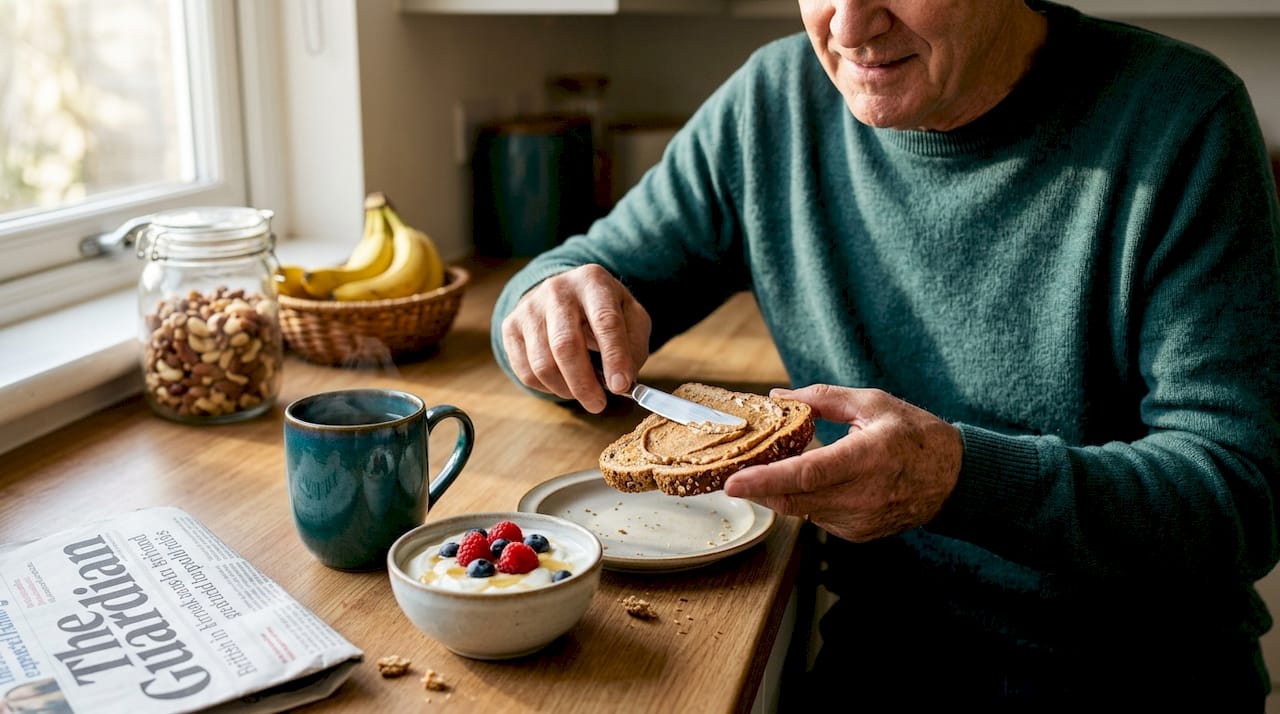
For seniors with dental challenges, whole nuts can be replaced with nut butters or ground seeds stirred into soft foods. A tablespoon of almond butter on wholegrain toast or ground flaxseed in porridge adds nutrition without effort.
6. Legumes: affordable plant protein
Beans, lentils, and chickpeas are among the most cost-effective superfoods for senior nutrition. They combine plant protein, fibre, iron, and B vitamins in a single food, making them particularly useful for those who eat smaller portions.
| Legume | Protein per 100g (cooked) | Key nutrients |
|---|---|---|
| Lentils | 9g | Folate, iron, fibre |
| Chickpeas | 9g | Manganese, folate, fibre |
| Black beans | 8g | Iron, magnesium, fibre |
| Kidney beans | 9g | Potassium, iron, fibre |
Cooked legumes are naturally soft, making them suitable for seniors with chewing difficulties. They work well in soups, stews, and purées. Adding a tin of lentils to a vegetable soup, for example, doubles the protein content of the meal with minimal preparation.
7. Whole grains for steady energy and digestion
Oats, quinoa, and brown rice provide complex carbohydrates that release energy gradually, helping to maintain stable blood sugar levels throughout the day. This steady energy supply is particularly relevant for seniors who may experience fatigue or blood sugar fluctuations.
Oats are especially practical. A bowl of porridge in the morning delivers soluble fibre (beta-glucan), which supports cholesterol management and digestive health. Quinoa stands out because it is a complete protein, containing all nine essential amino acids, which is unusual for a plant food. Brown rice adds magnesium and B vitamins to meals without requiring any special preparation beyond standard cooking.
Fortified dairy products and plant-based milk alternatives (such as fortified oat or soya milk) complement whole grains well. They supply calcium, vitamin D, and in some cases probiotics, all of which support bone density and gut health. Sweet potatoes add beta-carotene and potassium, while bell peppers are one of the richest vegetable sources of vitamin C. Green tea, consumed daily, provides a steady supply of polyphenols that support healthy ageing at the cellular level.
8. Greek yogurt and eggs: high-protein everyday superfoods
These two foods deserve specific mention because they are practical, widely available, and deliver substantial protein in small servings. Greek yogurt provides approximately 17g of protein per cup, along with calcium and live cultures that support gut health. It is soft, requires no preparation, and works as a base for superfood smoothie recipes for seniors when blended with berries and seeds.
Eggs are one of the most complete protein sources available. They contain all essential amino acids, plus vitamin D, choline (important for brain function), and B12. Scrambled, poached, or boiled, they are quick to prepare and easy to eat. For seniors with reduced appetite, a two-egg meal with wilted spinach covers a meaningful share of daily protein and micronutrient needs in a small volume.
9. Comparing and selecting the right superfoods for your situation
Not every superfood suits every senior. Selecting the right options depends on individual health priorities, appetite, budget, and physical ability to prepare and eat different foods.
- For muscle maintenance: Prioritise Greek yogurt, eggs, legumes, and fatty fish. These provide the most protein per serving.
- For brain and heart health: Focus on berries, fatty fish, walnuts, and leafy greens.
- For digestion and gut health: Oats, chia seeds, legumes, and fermented dairy are the most effective.
- For those with small appetites: Calorie-dense options like nut butters, avocado, and Greek yogurt deliver more nutrition per mouthful.
- For budget-conscious households: Tinned sardines, lentils, oats, frozen berries, and eggs offer outstanding nutritional value at low cost.
Pro Tip: Frozen berries and vegetables retain most of their nutritional value and are often cheaper than fresh. They are a practical choice for caregivers managing both nutrition and household budgets.
Importantly, diet quality depends on the overall pattern, not individual foods. A diet that includes several of these options daily, with adequate total protein and energy intake, will support health far more effectively than eating one or two superfoods in isolation.
My perspective on superfoods and senior nutrition
I’ve seen a lot of well-meaning nutrition advice for older adults that focuses on a single food as though it will solve everything. In my experience, that framing does more harm than good. It creates pressure around eating at a time when appetite is already unreliable and mealtimes can feel like a chore.
What I’ve found actually matters is whether the overall pattern of eating is nourishing. A senior who eats oats with ground flaxseed for breakfast, a tin of sardines with salad at lunch, and lentil soup for dinner is doing far more for their health than someone who takes a blueberry supplement but eats poorly otherwise. The foods on this list work best as part of a consistent, varied routine.
I’d also say this to caregivers: texture and enjoyment matter as much as nutritional content. A perfectly nutritious meal that someone refuses to eat provides nothing. Adapting superfoods to suit individual preferences, whether that means blending spinach into a smoothie or mashing lentils into a soup, is not a compromise. It is good nutrition practice. The evidence on dietary patterns in older adults consistently shows that implementation is what separates theory from results.
— Jord
Supporting healthy ageing with Vivetus

If you are looking to build on the foods covered in this article, Vivetus offers a range of scientifically supported nutritional products designed specifically for healthy ageing. Whether you are filling gaps in omega-3 intake, supporting bone health, or maintaining muscle mass, the right supplement can complement a nutrient-rich diet effectively. Explore Vivetus’s evidence-backed ageing products for guidance on what to consider alongside your diet. You can also read the balanced diet guide for elderly for a broader look at structuring meals around nutrient density and long-term vitality.
FAQ
What are the best superfoods for elderly adults?
Berries, leafy greens, fatty fish, Greek yogurt, eggs, legumes, and whole grains are consistently cited as top options. They deliver high concentrations of protein, fibre, antioxidants, and key micronutrients in manageable portions.
How can seniors add superfoods to their diet easily?
Blending berries and spinach into smoothies, adding tinned sardines to salads, stirring ground flaxseed into porridge, and using lentils in soups are all low-effort approaches that require minimal preparation.
Are omega-3 supplements necessary if a senior eats fatty fish?
Two to three servings of fatty fish per week typically meet the recommended 250 to 500 mg of EPA and DHA daily. Supplementation is worth considering when fish intake is consistently low.
Which superfoods are suitable for seniors with chewing difficulties?
Soft or easily modified options include Greek yogurt, smoothies with blended berries and greens, tinned fish, cooked lentils, scrambled eggs, and porridge. These provide strong nutritional value without requiring significant chewing.
Do superfoods replace the need for supplements in older adults?
Whole foods provide nutrients in their most bioavailable forms, but gaps in vitamin D, B12, and omega-3s are common in older adults even with a good diet. Superfoods and targeted supplements often work best together rather than as alternatives.